

University of Minnesota-Twin Cities Overview
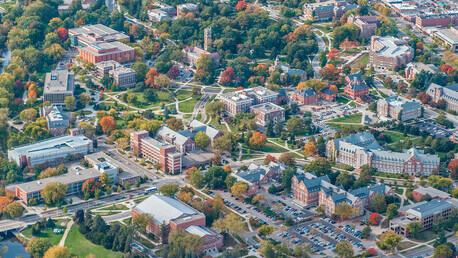
With campuses three miles apart, the University of Minnesota Twin Cities is the flagship campus with locations in Minneapolis and St. Paul. Minnesota confers bachelor’s degrees in more than 150 academic majors and minors. In addition, the U of M is one of only five universities to house an engineering school, medical school, veterinary med school, law school, and agricultural school on one campus. The U of M campus is also home to numerous museums including the Bell Museum of Natural History and Goldstein Museum of Design.
Acceptance Rate:
77%
Average Net Price:
$17,729
Campus Setting:
Major city
Average GPA
3.7
Average ACT Composite
29
Average SAT Composite
1337
University of Minnesota-Twin Cities Virtual Tour
University of Minnesota-Twin Cities Tuition and Cost
Affordability & Cost
Tuition
| In-State Tuition In-state tuition is the tuition charged by institutions to those students who meet the state's or institution's residency requirements. In-district tuition is the tuition charged by the institution to those students residing in the locality in which they attend school and may be a lower rate than in-state tuition if offered by the institution. | $17,214 |
| Out-of-State Tuition Out-of-state tuition is the tuition charged by institutions to those students who do not meet the state’s or institution’s residency requirements. Out-of-district tuition is the tuition charged by the institution to those students not residing in the locality in which they attend school. | $38,362 |
Additional Costs
Room and Board The weighted average for room and board and other expenses is generated as follows:
| $13,856 |
| Books and Supplies | $1000 |
Average Net Price By Family Income
Financial Aid: visit page
Financial Aid Email: [email protected]
Aid & Grants
0
100
75%
Need Met
Students Receiving Gift Aid Percent of undergraduate students awarded federal gift aid. Federal gift aid includes any grant or scholarship aid awarded, from the federal government, a state or local government, the institution, and other sources known by the institution. Students Receiving Grants Percent of undergraduate students awarded grant aid. Grant aid includes any grant or scholarship aid awarded, from the federal government, a state or local government, the institution, and other sources known by the institution.
17%
Average Aid Per Year
$11,807
17%
Average Federal Grant Aid Per Year
$6,361
Average Institution Grant Aid Per Year
$6,389
Students receiving state aid Students receiving federal aid
30%
Average State Grant Aid Per Year
$6855
22%
Average Federal Grant Aid Per Year
$6,361
Total Needs Based Scholarships/Grants Total amount of grant or scholarship aid awarded to all undergraduates from the federal government, state/local government, the institution, and other sources known to the institution.
$236,208,112
Total Non-Need-Based Scholarships/Grants
$27,590,391
Student Loans
Students Borrowing Loans Loans to students - Any monies that must be repaid to the lending institution for which the student is the designated borrower. Includes all Title IV subsidized and unsubsidized loans and all institutionally- and privately-sponsored loans. Does not include PLUS and other loans made directly to parents.
42%
Average Loan Amount Per Year
$10,378
Average Debt at Graduation The median federal debt of undergraduate borrowers who graduated. This figure includes only federal loans; it excludes private student loans and Parent PLUS loans.
$16,750
Median Monthly Loan Payment The median monthly loan payment for student borrowers who completed, if it were repaid over 10 years at a 5.05% interest rate.
$186
Students receiving federal loans
40%
Average Federal Loans Per Year
$5,273
Average Other Loans Per Year
$15,893
University of Minnesota-Twin Cities Admissions Requirements
Key Admissions Stats
Institution Type
Public
- Not for Profit
- Coed
Need Aware
This school may consider an applicant’s financial situation when deciding admission
Level of Institution
4 Year
Campus Setting
Major city
39863
Students Applied
46%
Transfer Acceptance Rate
1747
Transfer Students Admitted
Admissions Requirements
SAT

No
ACT
No
Transcript

Yes
Test Optional
Yes
SAT Subject Tests
Yes
AP Course Credit
Yes
Dual Enrollment
Yes
Important Deadlines
| Application Type | Application Deadline | Reply Deadline |
|---|---|---|
| Early Action Acceptance is not binding, but student will receive admissions decision earlier. | November 1 | May 1 |
| Fall Regular Decision | January 1 | May 1 |
| Spring Regular Decision | December 15 |
Application Fee
$55
Fee waivers availableApplications Accepted


Admitted Student Stats
34%
Submitting ACT
8%
Submitting SAT
Average ACT Composite: 29
Average SAT Composite: 1337
SAT Percentiles
Math
Reading
3.7
Average GPA
Students Enrolled By Class Rank
Students Enrolled By Household Income
Admissions Resources
Admissions: visit page
Admissions Telephone: 800-752-1000
For International Student Services: visit page
For Students with Disabilities: visit page
For Veteran Services: visit page
University of Minnesota-Twin Cities Academics
Key Academic Stats
Highest Degree Offered
Doctorate
Total Number of Students
54,890
Total Number of Undergrads
39,556
0
100
72%
Graduate in 4 Years US National: 28%
0
100
84%
Graduate in 6 Years US National: 52%
Student:Faculty Ratio
16:1
US National: 21:1Non Traditional Learning
- Online Classes
- Online Undergrad Degrees
- Summer Sessions
- Combined Institution Double Degree Programs
- Some Programs Requires Co-Op/Internship
Learning Options
- ROTC Army
- ROTC Air Force
- Study Abroad
- Honors Program
- Teacher Certification Offered
Classroom Sizes
Degrees and Majors
MAJORS
253
Faculty Overview
0
100
69%
Faculty With Terminal Degree US National: 36%
Gender
Ethnicity
University of Minnesota-Twin Cities Campus Life
Key Campus Stats
Student Gender
Residency
Size of Town
Major city
US States Represented
52
Countries Represented
107
Ethnicity
Percent of First Generation Students
19%
Student Organizations
350
LGBTQIA Student Resource Groups
Yes
On Campus Women's Center
Yes
Cultural Student Resource Groups
Yes
Housing
0
100
22%
Undergrads Living on Campus
On-campus living required of freshman
No
Disability Housing Available
Yes
0
100
23%
Freshman Living on Campus
Athletics
Divisional Sports Nickname
Golden Gophers
School Colors
maroon and gold
Varsity Athletics Association
NCAA
Varsity Athletics Conference Primary
Big Ten Conference
Total Male Athletes
383
Total Female Athletes
378
Intramural Sports
7
Sports Club
5
Sports Team (Men)
- Baseball
- Basketball
- Cross Country
- Football
- Golf
- Gymnastics
- Ice Hockey
- Swimming
- Tennis
- Track and Field
- Wrestling
Sports Team (Women)
- Basketball
- Cross Country
- Crew-Rowing
- Golf
- Gymnastics
- Ice Hockey
- Soccer
- Softball
- Swimming
- Tennis
- Track and Field
- Volleyball
University of Minnesota-Twin Cities Athletics: visit page
Campus Safety
24-HR security patrol
No
Campus emergency phones
Yes
24-HR escort safety rides
Yes
Mobile campus emergency alert
Yes
University of Minnesota-Twin Cities After Graduation
Post Grad Stats
Average Salary
6 years after graduation
$61,200
Top 5 Cities
Minneapolis
San Francisco
Chicago
New York
Los Angeles
Top 5 Employers
University of Minnesota
University of Minnesota-Twin Cities
Medtronic
Target
UnitedHealth Group
Top 5 Sectors
Business Development
Education
Operations
Engineering
Healthcare Services
Average Debt at Graduation The median federal debt of undergraduate borrowers who graduated. This figure includes only federal loans; it excludes private student loans and Parent PLUS loans.
$16,750
Loan Default Rate
3%
National: 8%
Median Monthly Loan Payment The median monthly loan payment for student borrowers who completed, if it were repaid over 10 years at a 5.05% interest rate.
$186
University of Minnesota-Twin Cities Reviews
Submit a ReviewGao Shee's Review
from Saint Paul, MN
Samantha's Review
from Ewa Beach, HI
Frank Sinatra's Review
Similar Colleges
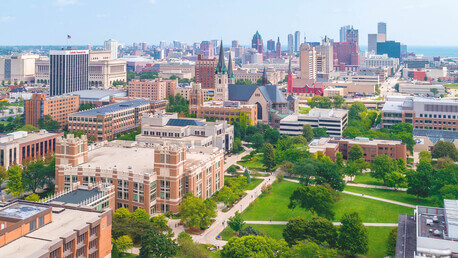 Milwaukee, WI
 Madison, WI
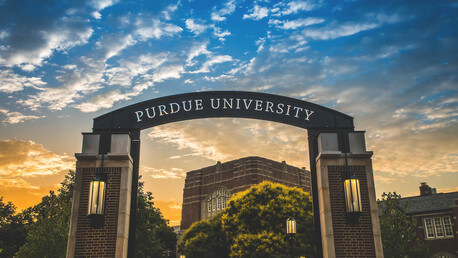 West Lafayette, IN
 Chicago, IL
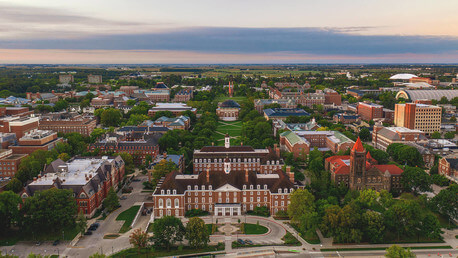 Champaign, IL
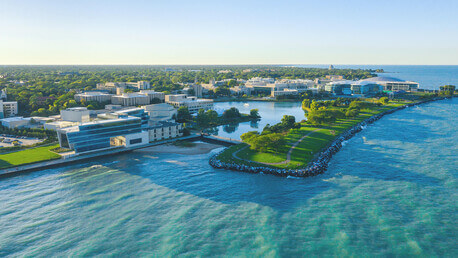 Evanston, IL
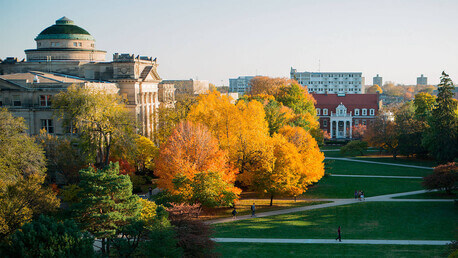 Ames, IA
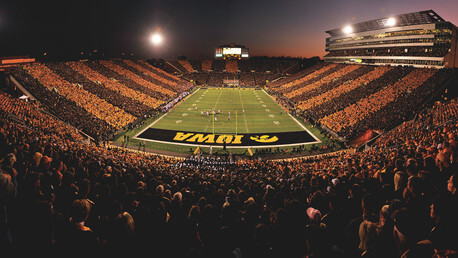 Iowa City, IA
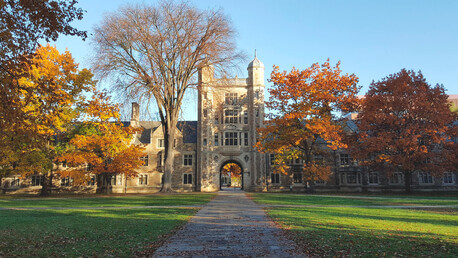 Ann Arbor, MI
 East Lansing, MI
 Duluth, MN
 Columbus, OH
