Reserve Officers’ Training Corps (ROTC) for College Students
Fund Your Education. Build Your Future. Whether you’re passionate about service, leadership, or just looking for a way to make college more affordable, ROTC could be a great fit.
What is ROTC & How does it work?
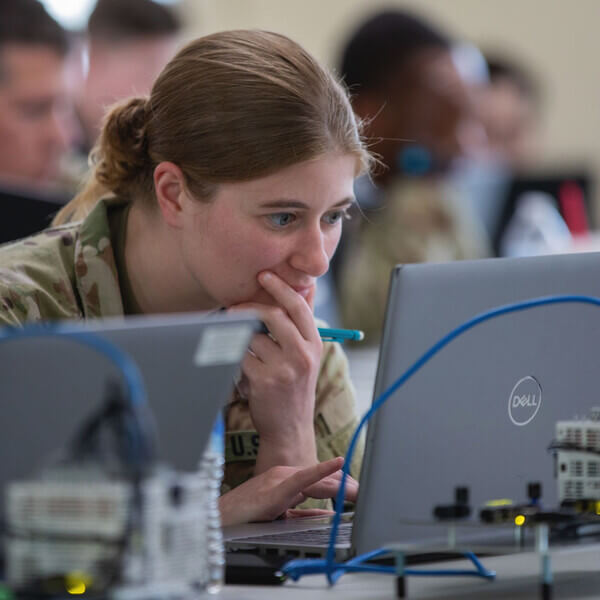
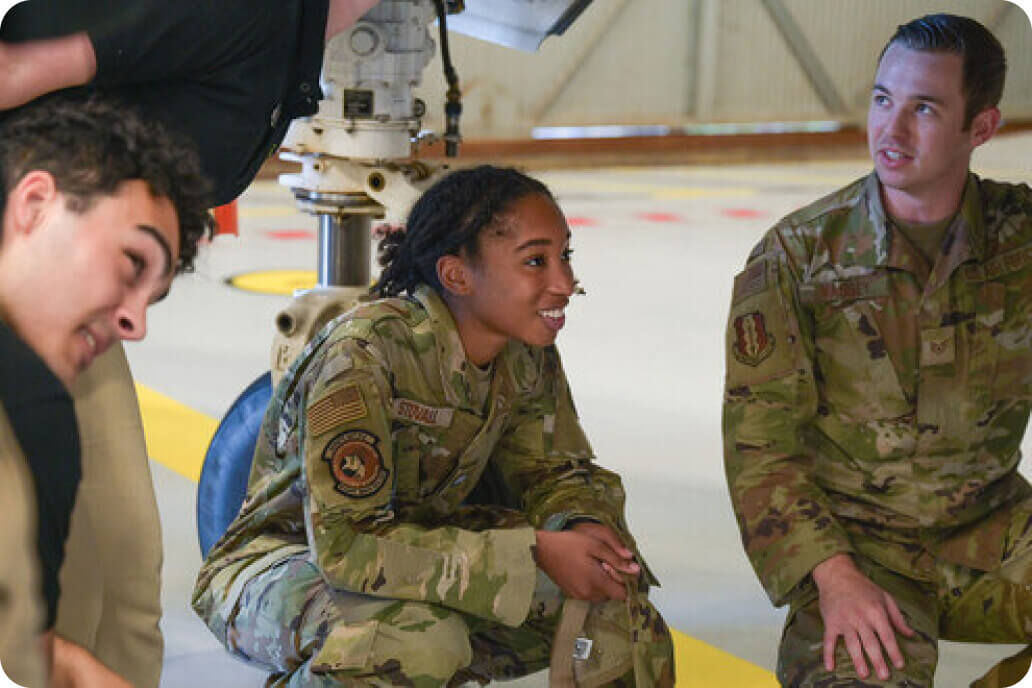
In an ROTC program, you take regular college classes alongside specialized training that develops your leadership skills and prepares you for a career in the military. ROTC is designed to fit into your college experience. As a full-time student, you’ll balance classes, physical fitness sessions, leadership labs, and sometimes weekend field training.
Most students say ROTC helps them stay organized, confident, and motivated, while still having time for clubs, friends, and campus life. ROTC isn’t just training. It’s a path to lead, grow, and serve. Gain leadership experience, earn scholarships, and graduate ready to lead in uniform or in civilian careers.
Why Students Choose ROTC
Earn your degree and launch your leadership career with financial help from the U.S. Armed Forces.

Tuition or housing covered
Full or partial scholarships at participating colleges.

Monthly stipend
About $420 monthly for living expenses.

Book allowance
Up to $1,200 per year

Real leadership experience
Hands-on military and team training throughout college.

Officer commission
Graduate as a commissioned officer in the U.S. Army, Navy, Air Force, or Marines.

Career advantage
Leadership, discipline, and management skills employers love.

Service opportunities
Choose active duty or part-time roles in the Reserve or National Guard after graduation.
ROTC Branch Options
ROTC programs are available through three main branches. Each has its own focus, scholarship options, and training style.
Army ROTC
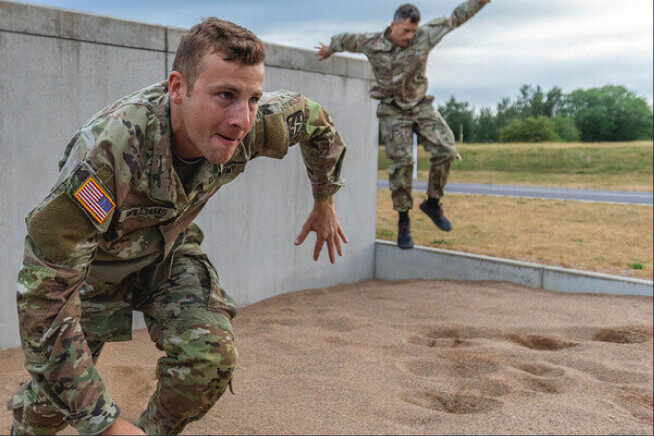
Learn leadership and management skills for land-based missions and operations. Army ROTC is available at more than 1,000 colleges and offers one of the largest scholarship programs in the country.
Learn More

Navy & Marine Corps ROTC
Focus on sea, air, and STEM-related fields. Navy ROTC midshipmen can prepare for careers in surface warfare, aviation, submarines, or the Marine Corps.
Learn More

Air Force & Space Force ROTC
Develop technical, leadership, and innovation skills for the Air Force or Space Force. Students often major in engineering, technology, or science fields.
Learn More
How to Join ROTC
- Apply to a college that offers ROTC. Some schools have their own programs, while others partner with nearby colleges or universities.
- Contact the school’s ROTC office. They can guide you through requirements and training schedules.
- Apply for scholarships. You can apply before or after enrolling in college.
- Meet fitness and medical requirements. These vary by branch and scholarship type.
You can apply for national ROTC scholarships as early as your junior year of high school. Most national scholarship applications open in June, before senior year, and close by early January of the senior year. Applying early gives you the best chance to secure campus placement at your preferred college.
If you’re already in college, you can still join ROTC by enrolling in on-campus ROTC courses. Each program (Army, Air Force, or Navy) offers different entry points—typically freshman and sophomore years, though some schools allow lateral entry for juniors through accelerated or summer training options.
Because ROTC scholarship and enrollment windows differ by service branch and school, contact your campus ROTC unit or recruiting officer early to confirm local deadlines and requirements.
Scholarships and Benefits
ROTC scholarships are one of the biggest draws for students. They can cover up to 100% of tuition and fees, plus allowances for housing and books.
| Branch | Tuition Coverage | Monthly Stipend | Additional Benefits |
| Army ROTC | Full or partial tuition | ~$420/month | Book and uniform allowances |
| Navy/Marine ROTC | Full tuition at select colleges | ~$400-$500/month | Summer Cruise Training |
| Air Force/Space Force ROTC | Full or partial tuition | ~$400/month | Tech/STEM-focused scholarships |
Is ROTC Right for You?
If you’re a high school or college student interested in serving in the military, reducing college costs, or developing leadership skills, the ROTC could be an excellent fit for you. It’s ideal for students who want a structured path to a college degree while preparing for a leadership role in the Armed Forces. ROTC benefits students who are disciplined, goal-oriented, and committed to military service after graduation. It’s especially valuable for those seeking both educational support and a meaningful career in public service.
Common ROTC Questions
Q: Does ROTC count as officer training?
A: Yes, ROTC trains students to become commissioned officers in the military.
Q. What does ROTC stand for?
A: ROTC stands for Reserve Officers’ Training Corps.
Q: Can you join ROTC in college?
A: Yes, students can join ROTC during college, usually in their freshman or sophomore year.
Q: What GPA do you need for ROTC?
A: Most programs require a minimum college GPA around 2.5–3.0 to stay eligible for scholarships and commissioning.
Q: How hard is ROTC in college?
A: ROTC is challenging, but manageable. It includes classes, physical training, and leadership labs alongside regular coursework.
Q: Do I have to serve in the military after college?
A: Yes, scholarship students typically commit to serve after graduation. However, some non-scholarship options have shorter commitments or reserve paths.
Q: Can I join ROTC if my college doesn’t offer it?
A: Yes. Many students join through a nearby “cross-town” ROTC program.
Q: What’s the difference between JROTC and ROTC?
A: JROTC is a high school program focused on citizenship and leadership. ROTC is a college-level program that prepares students to become military officers.

See Participating Colleges
Browse colleges and universities associated with the Military. Compare campuses, scholarship support, and student life to find your best fit.Browse Colleges
Explore More Military Programs
Not sure this program is right for you? Explore other military programs with education benefits, career training, and flexible service paths.
