Air Force Reserve Officers Training Corps (AFROTC)
Train as a future Air Force or Space Force officer while earning your degree and building leadership skills.
How Air Force ROTC Works
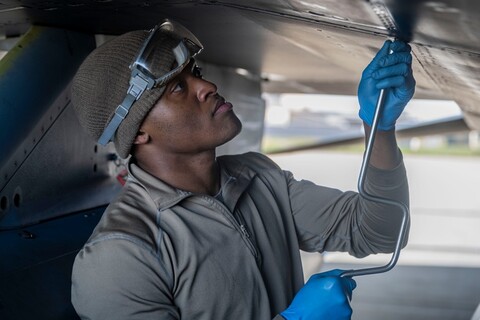
Air Force Reserve Officer Training Corps (AFROTC) is a college program that prepares students to become commissioned officers in the United States Air Force or Space Force. You attend a regular college or university, take a few ROTC classes each year, participate in leadership training, and explore career opportunities in the Air and Space Forces.
In AFROTC programs, you are a full-time college student first. AFROTC adds:
- One to two military science classes per term
- A weekly leadership laboratory with hands-on training
- Morning physical training with your detachment a few times per week
If you qualify and are selected for the Space Force track, your focus leans more toward space operations, cyber, and other technically focused roles that support missions in space.
Is Air Force ROTC Right for You?
AFROTC might be a good fit if:
- You like tech, math, or science and want a career that actually uses it.
- You are interested in aviation, drones, cyber, or space missions.
- You want leadership experience and a guaranteed full-time job after college.
- You are open to serving in the military but still want a “normal” college experience.
You do not need to be a perfect athlete or a genius to join AFROTC. You do need to stay in shape, keep your grades up, and be willing to learn.
Air Force ROTC Majors
Students in AFROTC programs pursue many different majors, but technical and STEM majors are especially valuable. If you want to win a scholarship, it's helpful to know that some scholarship boards prioritize students in:
- Aerospace, mechanical, or electrical engineering
- Computer science or cybersecurity
- Physics, math, or data science
- Meteorology and other technical sciences
- Certain language or intelligence-related majors
You can often major in non-STEM fields like business, political science, or communications, especially for Air Force roles that focus on leadership and management. The key is to stay on track to graduate and meet GPA and physical fitness standards.
Air Force ROTC Education Benefits
AFROTC offers competitive scholarships that can help pay for:
- A portion or all of your tuition (depending on the award)
- Required fees
- Money for textbooks
- A monthly stipend during the school year
Scholarships can be awarded in high school or in college. They can be either:
- Four-year scholarships for high school seniors entering college
- Three- or two-year scholarships for current college students who join AFROTC
Scholarships are not guaranteed. You compete for them based on your grades, fitness scores, leadership performance, and the needs of the Air Force and Space Force.
Air Force ROTC Training
During the school year, you can expect:
- Early morning physical training (PT) several times per week
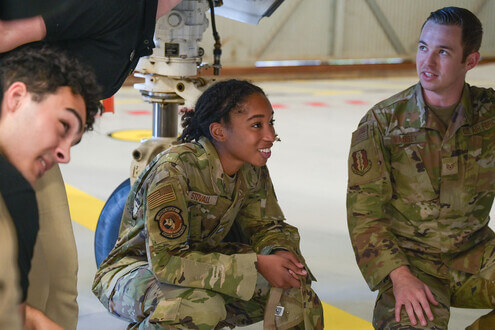
- A weekly leadership laboratory with drills, briefings, and practical exercises
- One military science class that covers Air Force and Space Force history, leadership, and officership
- Leadership roles as you become an upper-level cadet (mentoring younger students, leading activities, planning events)
In the summer, many cadets attend:
- Field training, typically at an Air Force installation
- Possible base visits to see aircraft, space operations, or other mission areas
It is more “professional training and planning missions” than “crawling through the mud every weekend,” though you will still be pushed physically and mentally.
After Finishing Air Force ROTC
After completing the full AFROTC program, meeting all requirements, and being selected for commissioning, you graduate as a second lieutenant in either the United States Air Force or the United States Space Force.
Most graduates will:
- Serve on active duty for a set number of years (varies by career field and scholarship)
- Go to additional training or schooling specific to their career field
- Take on increasing levels of responsibility as they gain rank and experience
Air Force & Space Force Careers
ROTC graduates serve in the Air Force and Space Force within many different career fields, or MOS, which is your specific job within the U.S. military.
Possible Air Force officer careers include:
- Pilot or remotely piloted aircraft officer
- Cyber warfare or cyber operations officer
- Intelligence officer
- Aircraft maintenance or logistics officer
- Space operations officer (some roles overlap with Space Force needs)
Possible Space Force officer careers include:
- Space operations officer
- Cyber operations supporting space systems
- Intelligence roles focused on space and orbital threats
- Engineering and acquisition roles related to satellites and space systems
General AROTC Eligibility Requirements
- U.S. citizenship or a path toward it for commissioning
- Meeting age, medical, and background requirements
- Maintaining a competitive GPA and staying in good academic standing
- Passing a fitness assessment that usually includes running, push-ups, and core exercises
Many students improve their fitness after joining AFROTC with structured workouts and support from their detachment. You do not have to show up as a varsity athlete, but you should be ready to work on your health and endurance.
How to Apply for Air Force ROTC
If you are in high school:
- Apply to colleges that host or cross-enroll with an AFROTC detachment.
- Look into high school AFROTC scholarship applications and deadlines.
- Connect with the AFROTC unit on or near the campuses you are considering.
If you are already in college:
- Visit or contact the AFROTC detachment on your campus or a nearby cross-town school.
- Ask about joining as a college student and scholarship options for in-college applicants.
- Learn what classes and training you would need to catch up on.
Use Appily to search for colleges that offer AFROTC, compare programs, and see which campuses match your major, budget, and goals.
See Participating Colleges
Browse colleges and universities associated with the Military. Compare campuses, scholarship support, and student life to find your best fit.
Explore More Military Programs
Not sure this program is right for you? Explore other military programs with education benefits, career training, and flexible service paths.
