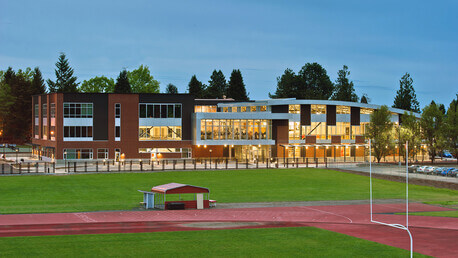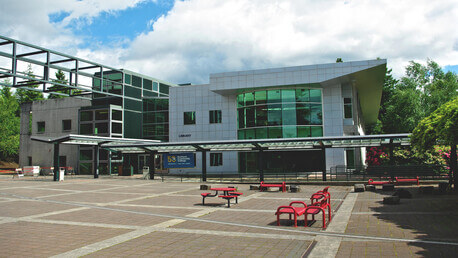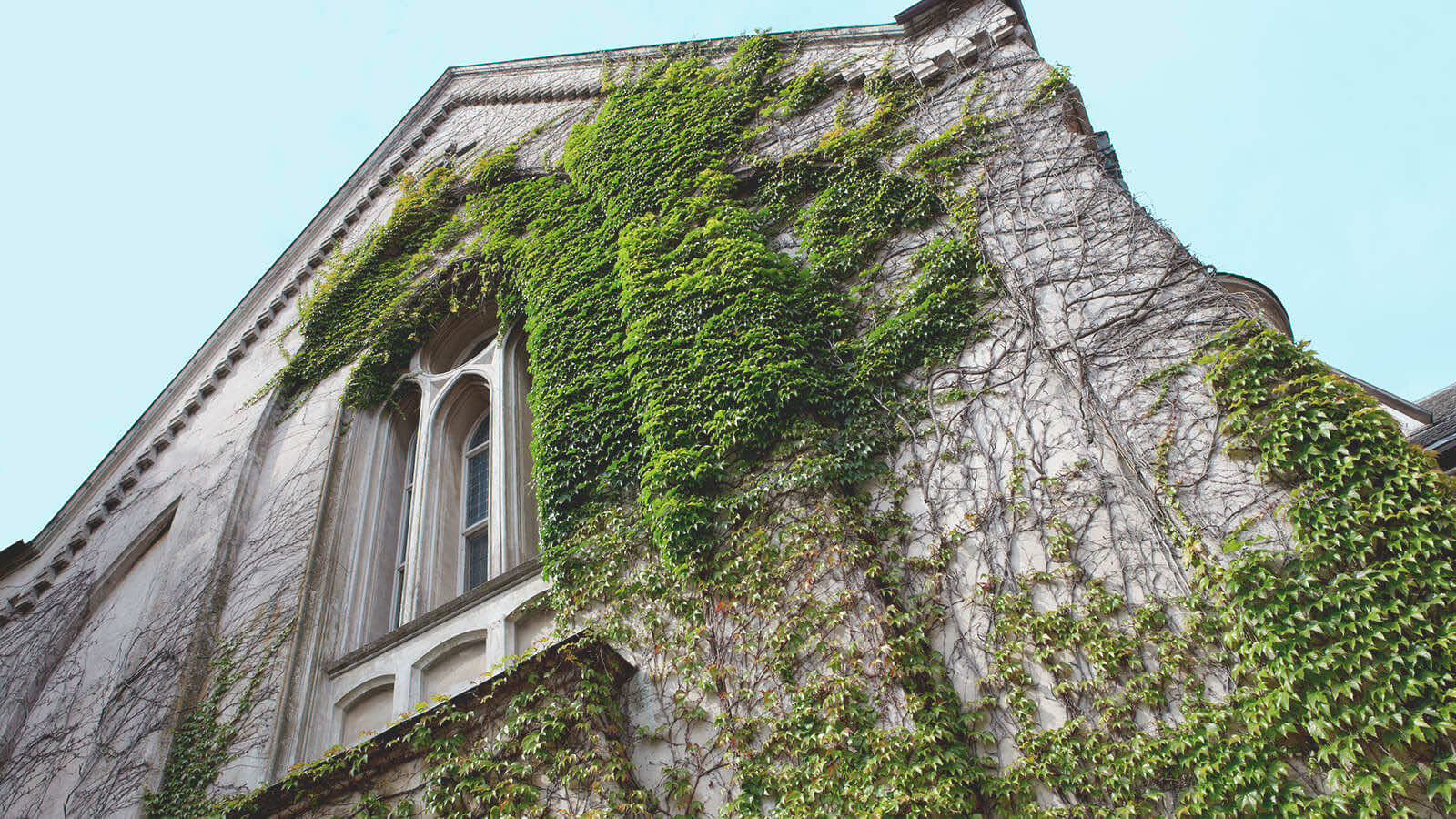
Stock image of College Campus wall
Central Oregon Community College

Central Oregon Community College

Bend, OR, USA
Public
2 Year

Overview

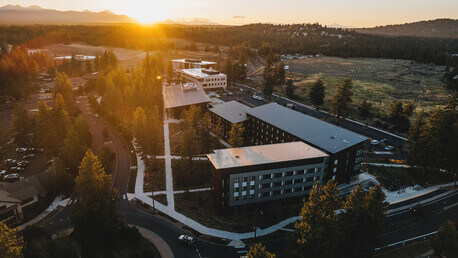
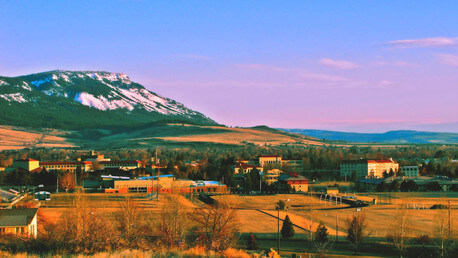
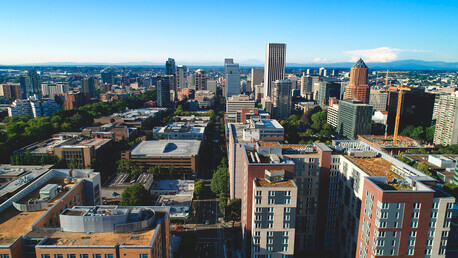
With four campuses serving a six-county area, Central Oregon Community College is the oldest 2-year institution in the state. COCC is home to over 75 academic programs and offers degrees and certificates in such eclectic fields as Baking and Pastry Arts, Unmanned Aerial Systems Aviation, and Kinesiology. Students in COCC’s Forestry program utilize the campus’ natural setting for field trips and outdoor labs in the surrounding forests of Bend, Oregon. In addition, COCC’s location on the edge of Awbrey Butte affords stunning views of the nearby Cascade Mountains.

Average Net Price:
$10,504
Campus Setting:
Small city

Tuition, Cost & Aid

Affordability & Cost

Average Net Price
$10,504
Calculate your net cost
Tuition
In-State Tuition In-state tuition is the tuition charged by institutions to those students who meet the state's or institution's residency requirements. In-district tuition is the tuition charged by the institution to those students residing in the locality in which they attend school and may be a lower rate than in-state tuition if offered by the institution.
$6,705
Out-of-State Tuition Out-of-state tuition is the tuition charged by institutions to those students who do not meet the state’s or institution’s residency requirements. Out-of-district tuition is the tuition charged by the institution to those students not residing in the locality in which they attend school.
$13,185
Additional Costs
Room and Board The weighted average for room and board and other expenses is generated as follows:
  • (amount for on-campus room, board and other expenses * # of students living on-campus.
  • + amount for off-campus (with family) room, board and other expenses * # of students living off-campus with family
  • + amount for off-campus (not with family) room, board and other expenses * # of students living off-campus not with family)
divided by the total # of students. Students whose living arrangements are unknown are excluded from the calculation. For some institutions the # of students by living arrangement will be known, but dollar amounts will not be known. In this case the # of students with no corresponding dollar amount will be excluded from the denominator.
$12,841
Books and Supplies
$1800
Average Net Price By Family Income
Income
Average Amount
< $30k
$6,769
$30k - $48k
$8,368
$48k - $75k
$9,485
$75k - $110k
$12,112
$110k+
$12,927
Financial Aid: visit page

Aid & Grants

0
100
67%
Need Met
Students Receiving Gift Aid Percent of undergraduate students awarded federal gift aid. Federal gift aid includes any grant or scholarship aid awarded, from the federal government, a state or local government, the institution, and other sources known by the institution.
29%
Average Aid Per Year
$5,292
Students Receiving Grants Percent of undergraduate students awarded grant aid. Grant aid includes any grant or scholarship aid awarded, from the federal government, a state or local government, the institution, and other sources known by the institution.
29%
Average Federal Grant Aid Per Year
$2,573
Average Institution Grant Aid Per Year
$3,543


Students receiving state aid
65%
Average State Grant Aid Per Year
$3331
Students receiving federal aid
100%
Average Federal Grant Aid Per Year
$2,573
Total Needs Based Scholarships/Grants Total amount of grant or scholarship aid awarded to all undergraduates from the federal government, state/local government, the institution, and other sources known to the institution.
$4,950,557
Total Non-Need-Based Scholarships/Grants
$310,706

Student Loans

Students Borrowing Loans Loans to students - Any monies that must be repaid to the lending institution for which the student is the designated borrower. Includes all Title IV subsidized and unsubsidized loans and all institutionally- and privately-sponsored loans. Does not include PLUS and other loans made directly to parents.
31%
Average Loan Amount Per Year
$5,632
Average Debt at Graduation The median federal debt of undergraduate borrowers who graduated. This figure includes only federal loans; it excludes private student loans and Parent PLUS loans.
$7,500
Median Monthly Loan Payment The median monthly loan payment for student borrowers who completed, if it were repaid over 10 years at a 5.05% interest rate.
$146
Students receiving federal loans
31%
Average Federal Loans Per Year
$4,618
Average Other Loans Per Year
$13,096


Admissions

Key Admissions Stats

Institution Type
Public
  • Not for Profit
  • Coed

Need Aware

This school may consider an applicant’s financial situation when deciding admission

Level of Institution
2 Year
Campus Setting
Small city
313
Transfer Students Admitted

Admissions Requirements

Transcript
Transcript is not checked
No
Test Optional
Item is not checked
No
SAT Subject Tests
Item is not checked
No
AP Course Credit
Item is checked
Yes
Dual Enrollment
Item is checked
Yes

Important Deadlines

Application TypeApplication DeadlineReply Deadline
Fall Regular DecisionSeptember 17

Rolling Admissions

The college has rolling admissions, which means applications are accepted any time throughout the year.

Application Fee
$25
Applications Accepted

Admitted Student Stats

In-State Students
87%
Out-Of-State Students
5%
Students Enrolled By Household Income

< $30k
68
$30k - $48k
32
$48k - $75k
28
$75k - $110k
23
$110k+
14

Admissions Resources

Admissions: visit page
For Students with Disabilities: visit page
For Veteran Services: visit page

Academics

Key Academic Stats

Highest Degree Offered
Associate's
Total Number of Students
4,155
Total Number of Undergrads
4,155
Student:Faculty Ratio
15:1
US National: 21:1
Academic Calendar

Quarter

Non Traditional Learning
  • Online Classes
  • Online Undergrad Degrees
  • Summer Sessions
Learning Options
  • Study Abroad
 

Degrees and Majors

MAJORS
30

Faculty Overview

Gender
Male
Female
Ethnicity

Asian/Pacific Islander
White
Hispanic
Multi-Racial
Unknown

Campus Life

Key Campus Stats

Student Gender
Male
Female
46%
54%
Residency
In-State Students
87%
Out-Of-State Students
5%
Size of Town
Small city
Countries Represented
Ethnicity
African American
1%
Asian/Pacific Islander
2%
Hispanic
15%
Native American
1%
White
62%
Multiracial
4%
Unknown
15%
Percent of First Generation Students
39%
LGBTQIA Student Resource Groups
Item is not checked
No
On Campus Women's Center
Item is not checked
No
Cultural Student Resource Groups
Item is not checked
No

Housing

On-campus living required of freshman
No
Disability Housing Available
Yes
0
100
9%
Freshman Living on Campus

Athletics

Varsity Athletics Conference Primary
Not applicable
Intramural Sports
11

Campus Safety

24-HR security patrol
24-HR security patrol is checked
Yes
Campus emergency phones
Campus emergency phones is checked
Yes
24-HR escort safety rides
Item is checked
Yes
Mobile campus emergency alert
Item is not checked
No

After Graduation

Post Grad Stats

Average Salary
6 years after graduation
$36,900
Average Debt at Graduation The median federal debt of undergraduate borrowers who graduated. This figure includes only federal loans; it excludes private student loans and Parent PLUS loans.
$7,500
Loan Default Rate
15%
National: 8%
Median Monthly Loan Payment The median monthly loan payment for student borrowers who completed, if it were repaid over 10 years at a 5.05% interest rate.
$146
I'm just taking my regular basic freshman classes and so I'm sure that I'd be getting about the same level of education regardless of where I went for this first year.
Charissa from Bend, OR
The Cascade Culinary Institute (part of Central Oregon Community College) is the best culinary school on the west coast due to it's brand new facility, amazing faculty, one on one time with students and broad learning experience of various cuisine around the world. I am able to come there everyday looking forward to going to school and delving into the world of pastry! Our chef instructors continue to promote our education and help us achieve our goals as future chefs.
McKayla from Bend, OR
COCC is great for small classes where the students have one-on-one contact with the instructors. The advising part of registration is great because the advisors only recommend classes that the student needs to be or should be taking to be successful in their chosen field. The instructors offer outside of classroom help and are timely in getting feedback to students. I've learned more in the last year and a half at COCC then I did in four years of high school.
Stephanie from Terrebonne, OR
At COCC you learn a lot more then you would at a university because the class sizes are smaller. Since the classes are smaller the teachers have more time to spend with each student and therefore you are able to ask more questions so you can understand the material better. The teachers also like to help the students in every way they can and try to make it so everybody, whether a visual learner or not, can learn the material. I have been a student for a full year and felt that all the classes I took were worth it.
Marissa from Bend, OR