How to Become a Navy Nurse Through ROTC

The NROTC Navy Nurse Program Option gives students a way to earn a Bachelor of Science in Nursing (BSN) and prepare for a future role as an Officer in the U.S. Navy Nurse Corps. It can be a smart path if you want nursing, military service, and leadership experience, with help paying for college.
How the NROTC Nurse Option works
Nurse Option midshipmen work toward a bachelor’s degree in nursing while participating in Navy ROTC training and leadership development. That usually includes weekly physical fitness training, Naval Science classes, Navy lab, and summer training experiences, such as time at a Navy hospital and aboard a Navy ship.
Think of it this way: you are not choosing between nursing school and Navy ROTC. With the Nurse Option, you are doing both, so it is important to choose a college where the nursing program, ROTC unit, cost, and campus fit all make sense for you.
What does a Navy Nurse do?
A Navy Nurse is a commissioned Officer in the Navy Nurse Corps. Navy Nurses provide nursing care for service members, military families, and others in Navy medical settings. Nurse Corps Officers may work in places such as Navy medical facilities, ships, field settings, and humanitarian aid missions overseas.
The work can include general nursing care, collaborating with physicians and other specialists, helping create and administer treatment plans, and directing or instructing Hospital Corpsmen in patient care.
That last part matters. A Navy Nurse and a Hospital Corpsman are not the same role. Navy Nurses are Officers in the Nurse Corps. Hospital Corpsmen are Enlisted medical personnel who assist health care professionals and may work in clinical, specialty, administrative, or field medical roles.
How do you become a nurse in the Navy?
There are a few possible ways to become a Navy Nurse, but the ROTC route is especially relevant for high school students planning for college.
A simple version of the NROTC Nurse Option path looks like this:
- Apply to colleges with eligible nursing programs and NROTC Nurse Option availability.
- Apply for the NROTC scholarship and choose the Nurse Corps Program option.
- Work toward a BSN while completing NROTC requirements.
- Meet Navy academic, fitness, medical, and program standards.
- Graduate and commission as an Officer in the Navy Nurse Corps.
The NROTC scholarship application instructions say applicants choose one of three program options: Navy, Marine, or Nurse Corps. That means the nursing route is not just a small add-on to general ROTC. It is a specific program option in the NROTC application process.
What does the Navy ROTC nursing scholarship cover?
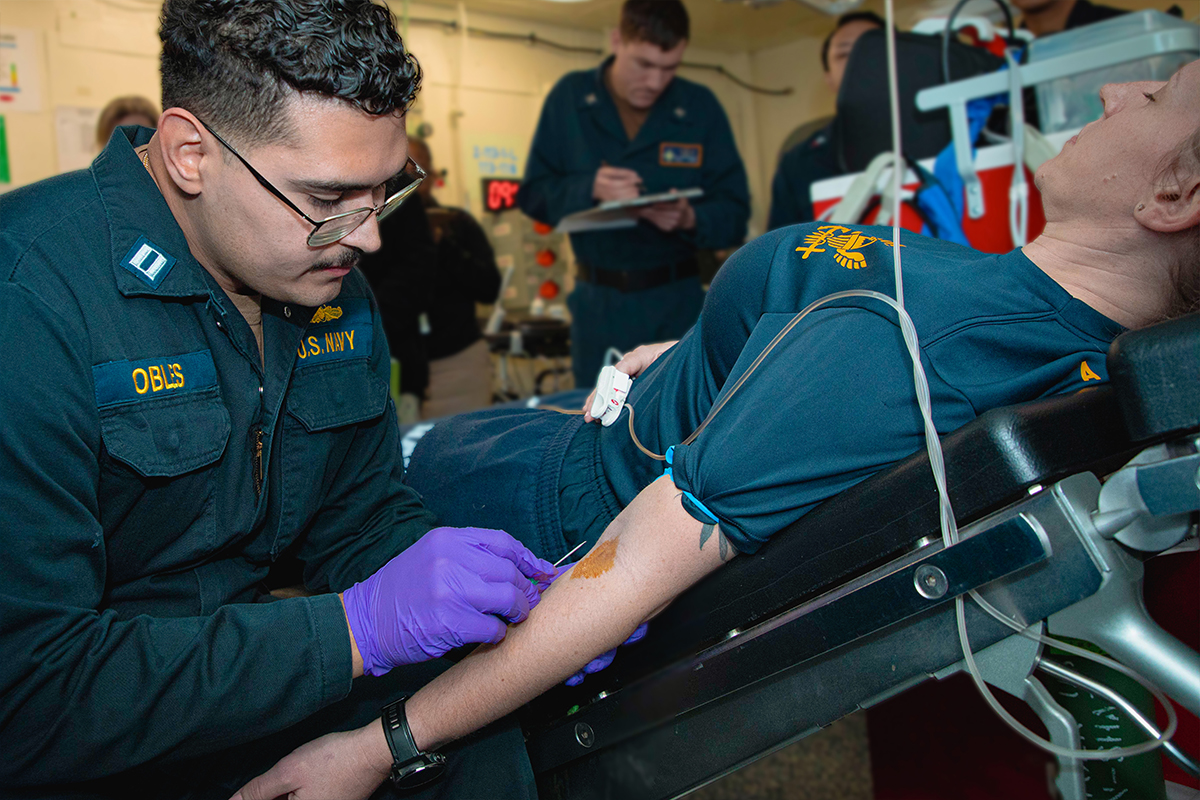
The NROTC Four-Year National Scholarship can provide full tuition and educational fees, or room and board up to $11,500 per year. It also includes a textbook stipend, uniforms, Naval Science textbooks, summer training cruises, and a monthly subsistence allowance during the academic year.
The monthly allowance increases by class year. Currently, freshmen receive $250 per month, sophomores receive $300 per month, juniors receive $350 per month, and seniors receive $400 per month.
That support can be a big deal, especially for students trying to make nursing school more affordable. But students should be careful not to think of this as “free college.” The scholarship is connected to military training, program requirements, and service after graduation. Nurse Option scholarship recipients have an eight-year military service obligation, with at least four years on active duty.
Who qualifies for the NROTC Nurse Option?
NROTC scholarship applicants must meet general eligibility rules. Applicants must be U.S. citizens or in the process of obtaining citizenship, must meet age requirements, and must have or expect to have a high school diploma or equivalent by August 1 of the year they start NROTC.
Applicants also need to meet academic testing requirements. The current NROTC general requirements page lists minimum SAT scores of 550 Evidence-Based Reading and Writing and 540 Math, with a combined score of 1100. Alternatively, students need a 22 in English and 21 in Math on the ACT, with a combined English and Math score of 44.
There are also Classic Learning Test and ASVAB options. If interested, you should check the official NROTC requirements before applying because testing rules can change.
Navy and Nurse Option applicants must complete the NROTC Applicant Fitness Assessment, and scholarship activation requires passing the DoD Medical Evaluation Review Board physical exam.
Which colleges offer the NROTC Nurse Option?
Not every college with ROTC will be the right fit for a future Navy Nurse. You need a school that works for your nursing goals and your Navy ROTC path.
The official NROTC site has a Nursing Option Schools list that shows schools where the Navy Nurse Option is available. Some schools may have limited opportunities per year, so students should verify availability before building a college list around this path.
When you compare colleges, look for:
- A BSN program that fits your goals
- NROTC Nurse Option availability
- Admission fit, not just dream-school appeal
- Total cost after scholarships and aid
- Clinical experience opportunities
- Academic support for nursing students
- Accepts nursing students as freshmen
- A realistic plan for balancing ROTC and nursing coursework
This is where Appily can help. Use Appily to compare colleges by cost, location, and fit so you can build a list that supports both your nursing plans and your service goals.
Navy ROTC Nurse Option vs. other Navy nursing paths
There is more than one Navy medical pathway. The right one depends on where you are in school, whether you want to become a registered nurse, and whether you want to serve as an Officer or Enlisted.
Path
Best for
What to know
NROTC Nurse Option
High school students planning to earn a BSN
Combines nursing school, Navy ROTC, a scholarship opportunity, and Officer preparation.
Nurse Candidate Program
Students already enrolled in an accredited BSN program
Provides a monthly stipend and grant support for eligible full-time BSN students after the sophomore year. (Navy Medicine
Direct Navy Nurse Corps route
Students who are already licensed or close to finishing nursing school
Navy.com lists requirements that include U.S. citizenship, a BSN from a CCNE-accredited program, compliance with nursing licensure requirements, physical qualifications, and willingness to serve on active duty. (Navy.com)
Hospital corpsman
Students interested in Enlisted Navy medical work
Corpsmen assist health care professionals and serve in a wide range of medical support roles, but this is different from becoming a Nurse Corps Officer. (Navy.com)
How much do Navy Nurses make?
Navy Nurse pay depends on rank, years of service, duty location, housing status, dependents, special pays, and benefits. Basic pay is only one part of military compensation.
For context, the Defense Finance Accounting Service (DFAS) lists the 2026 monthly basic pay for O-1 Officers at $4,150.20 for two or fewer years of service, $4,320.00 for more than two years, and $5,222.40 for more than three years.
Many service members may also receive Basic Allowance for Housing, or BAH, if they are not provided government housing. BAH depends on pay grade, duty location, and dependent status, and it is not taxed as pay. Officers also receive the Basic Allowance for Subsistence, or BAS, which is intended to offset the cost of food for service members. The 2026 Officer BAS rate is $328.48 per month.
Navy Medicine says Nurse Corps Officers receive regular promotions and pay increases, medical and dental coverage, retirement and education benefits, professional training, and 30 days of paid vacation per year.
So when you look up “Navy Nurse salary,” do not compare only base pay to a civilian nursing salary. Compare the full picture: basic pay, housing allowance, food allowance, health care benefits, paid vacation, retirement benefits, education benefits, and the service commitment that comes with the role.
Is the Navy ROTC nursing path worth it?
Yes. It can be worth it for the right student. If you already feel drawn to nursing, service, leadership, and a more structured college experience, NROTC is an excellent choice.
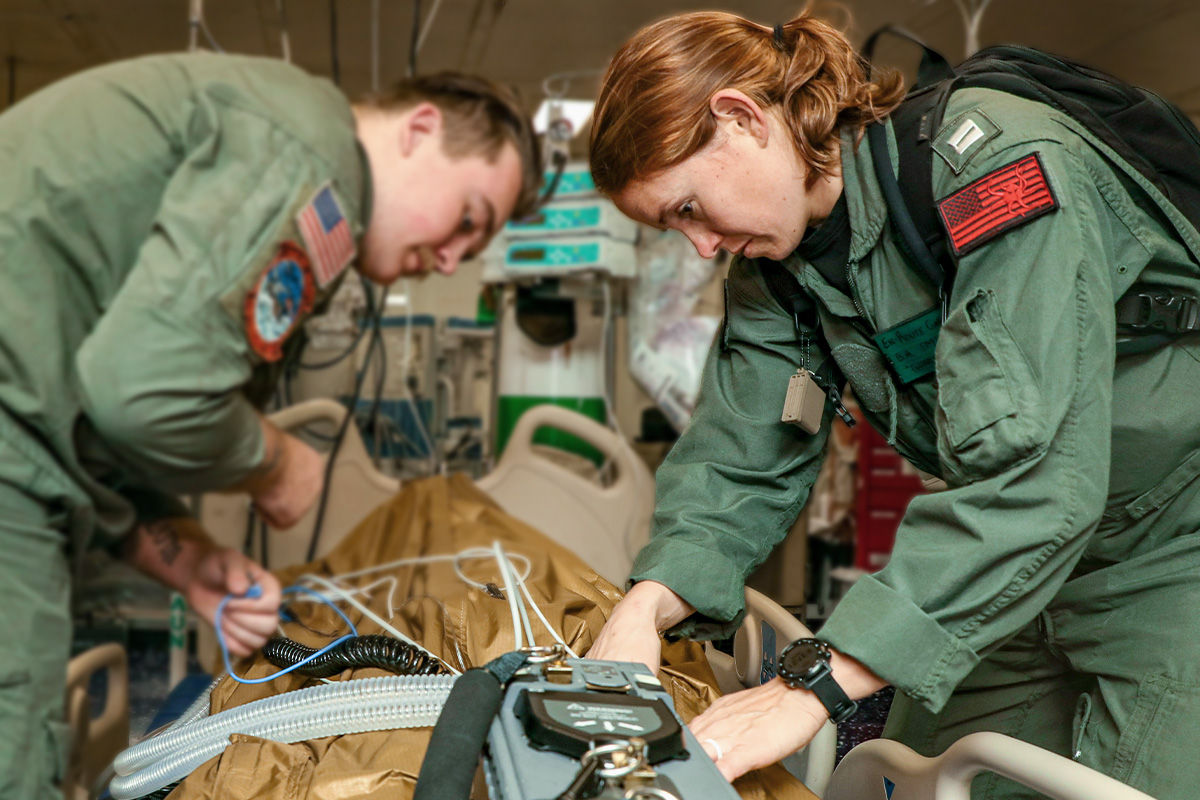
It may be a good fit if you:
- Want to earn a BSN
- Are open to serving as a Navy Officer after college
- Want help paying for nursing school
- Can handle ROTC responsibilities on top of nursing coursework
- Are comfortable with fitness, medical, and military standards
- Want a career path that starts right after graduation
It may not be the best fit if you:
- Want full flexibility after college
- Are unsure about military service
- Want nursing school without ROTC requirements
- Do not want a service commitment
Need a college that does not offer the Nurse Option
The biggest thing to remember is that this is not just a way to pay for school. It is a pathway into military nursing. That can be meaningful, but it should be a choice you understand before you apply.
How to apply for the NROTC Nurse Option
The Fiscal Year 2027 online application is now open. The process starts with checking the official general requirements, downloading the application checklist, and creating an online application account. Students can contact Navy recruiters or the NROTC office with questions about the application process.
The deadline for submitting the application is at the end of January for the school year in which applications are being solicited, and any updates or additions must be received by January 31 each year.
A practical timeline:
When
What to do
Junior year
Research Navy nursing, BSN programs, and NROTC schools.
Spring or summer before senior year
Start gathering transcripts, test scores, references, and application materials.
Senior fall
Apply to colleges, confirm nursing program requirements, and work on the NROTC scholarship application.
Senior winter
Submit the NROTC application by the official deadline and keep checking for updates.
After admission decisions
Confirm your college, nursing pathway, scholarship placement, and NROTC unit requirements.
NROTC applicants must select five college choices in the application, and the scholarship offer is tied to a specific school unless a change is approved.
Questions to ask before choosing this path
Before you commit to the Navy ROTC nursing route, ask:
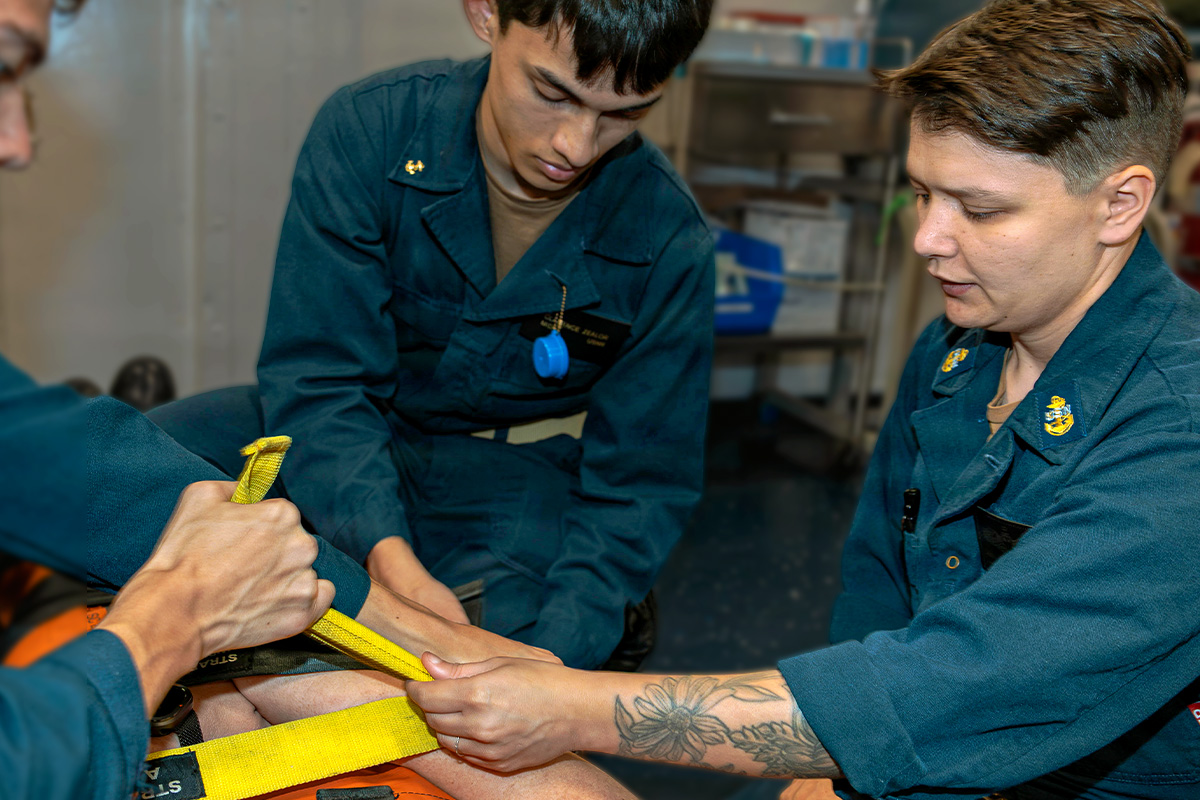
- Do I want to be a nurse and a military Officer?
- Will I be ready to serve after graduation?
- Do the colleges I’m interested in offer the Nurse Option and the nursing program I want?
- Can I balance nursing classes, clinicals, ROTC, fitness, and campus life?
- What happens if I change my major or decide nursing is not for me?
- What costs are covered, and what costs might still be my responsibility?
- Who can I talk to at the NROTC unit before applying?
Bottom line
The NROTC Nurse Option is one of the clearest paths for high school students who want to become Navy Nurses. It can help eligible students work toward a BSN, receive Navy ROTC scholarship support, train as midshipmen, and prepare to commission into the Navy Nurse Corps.
The tradeoff is real: This is not simply a way to help pay for college. Students also take on military expectations, leadership responsibilities, and a service commitment after graduation. For those who are drawn to nursing, service, and a structured path forward, that commitment may be part of the appeal.
Interested in seeing where that path could lead?
FAQs
Can you become a Navy Nurse through ROTC?
Yes. The NROTC Navy Nurse Program Option lets students pursue a bachelor’s degree in nursing while preparing to commission as ensigns in the U.S. Navy Nurse Corps.
Does Navy ROTC pay for nursing school?
The NROTC Four-Year National Scholarship can cover full tuition and educational fees, or room and board up to $11,500 per year. It also includes a textbook stipend, uniforms, Naval Science textbooks, summer training cruises on board a U.S. Navy ship, and a monthly subsistence allowance during the academic year.
What is the service commitment for the NROTC Nurse Option?
Nurse Option scholarship recipients have an eight-year military service obligation, with at least four years of active duty.
Do Navy Nurses need a BSN?
Navy.com lists good standing in or graduation from a CCNE-accredited U.S. education program that grants a Bachelor of Science degree as one qualification for Navy Nurse Corps applicants.
Is a Navy Nurse the same as a Hospital Corpsman?
No. A Navy Nurse is a Nurse Corps Officer. A Hospital Corpsman is an Enlisted Navy medical role that assists health care professionals and can work in many medical support settings.
When is the NROTC scholarship deadline?
The FY26 NROTC application instructions state that the deadline is the end of January in the school year for which applications are being solicited, and that any updates or additions must be received by January 31 each year. Students should confirm the current cycle on the official NROTC site.
