Your Guide to Preparing for College

If you’re in your junior or senior year, you may be planning for the next stage of life and asking the big question: How do I prepare for college? This period is full of excitement, nerves, and maybe a little stress—but all that effort is worth it when that acceptance letter finally arrives.
You’ve likely heard horror stories about college prep, and sure, a few bumps are inevitable. But with a bit of planning and a solid college prep guide at your disposal, you can handle the challenges with ease.
If you want to learn how to make college prep less overwhelming, this guide is a one-stop-shop: academics, applications, building a smart college list, financial aid, scholarships, life skills, campus visits, and how to transition smoothly into college life. In other words, your all-in-one resource for college readiness.
Level up your academics
A good starting point for effective college prep is to finish your high school education strong. This means selecting the right classes and extracurricular activities that can truly appeal to college admissions officers.
What colleges actually look at
So, what do colleges really want from prospective students? Having good grades, engaging in extracurriculars, and writing a strong essay are key. They want to see that you’re challenging yourself and are consistent with your efforts. But don’t stress over getting a 4.0 GPA—focus on your growth and effort.
Pick the right classes
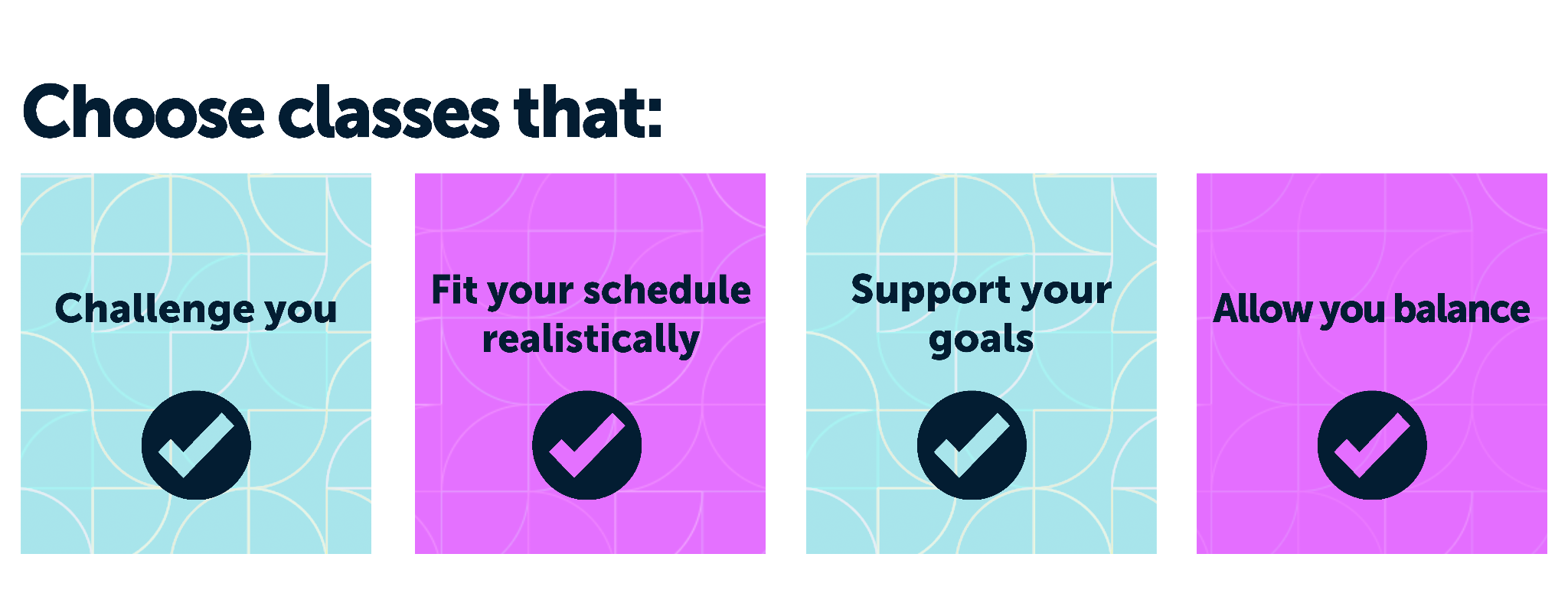
Advanced Placement (AP), International Baccalaureate (IB), or dual enrollment can help you stand out to admissions officers—but only if you’re up for them. Choose classes that challenge you and realistically fit in your schedule. Remember that balance is key.
Make your extracurriculars count
When students ask, “How many extracurriculars do colleges want?” the honest answer is: fewer than you think. Colleges appreciate depth over breadth. Choose sports, clubs, or honor societies that you genuinely enjoy and actively seek leadership roles in. For example, students who enjoy writing can build experience through a school publication, an independent portfolio, or one of these writing competitions for teens. Be sure to track your hours, responsibilities, awards, and positions in a log now—it’ll save you so much time once you start filling out applications.
Testing smarter, apply confidently
Two major components of early college prep are the standardized tests and figuring out which schools you actually want to apply to.
SAT or ACT? Here’s how to decide
You’re likely familiar with the SAT or the ACT and may have already taken it one or two times before. Both tests are similar in many ways, but they differ in terms of timing, structure, and question styles. Some schools are test-optional, so you’ll want to figure out if testing is right for you. If you decide to take either test, be sure to prep ahead. Your school may offer ACT/SAT prep, or you can choose tutoring or seek free online resources on your own. The earlier you start, the better—don’t cram a week or day before.
If you’re wondering which test you should take, we’ve got you covered.
Build a smart college list
Start a list with three categories: safety, match, and reach. Doing so can help you strike a balance between ambition and realistic choices. Look at available programs, support services, diversity, and costs. You want to make sure the schools align with what you’re looking for in an ideal college experience.
Common application mistakes to avoid
Here are some quick tips to avoid college application woes:
Start your essay early
Give yourself time to create an outline, write a draft (or two), edit, and have it reviewed by a friend, family member, or your counselor.
Ask for recommendations ASAP
If you have an idea of who you want to write your recommendation letter on your behalf, ask for it early to ensure you hit your deadlines.
Don’t apply to reach schools only
While it’s okay to shoot for the stars, it’s always good to have a backup plan. Nothing’s wrong with applying for match and safety schools, too. If you’re not sure what a “reach school,” “match school,” and “safety school” means, we’ve got answers!
Money matters: Financial aid and costs
Now to get into the not-so-fun stuff: money. It’s definitely something you want to consider early on so you don’t face any surprises later.
FAFSA and financial aid without the headache
The Free Application for Federal Student Aid (FAFSA) is your first step towards accessing federal grants, loans, work-study opportunities, and scholarships. Don’t wait until the deadline—apply as early as you can to increase your chances of getting financial aid.
Realistic costs you should expect
Tuition isn’t the complete picture of the college cost. You’ll also need to consider room, board, meals, textbooks, software, lab fees, and dorm supplies. While it’s impossible to know the exact amount now, planning can help you avoid big surprises and manage your budget effectively.
Scholarships 101
Go for scholarships that match your student profile—academics, athletic, creative, community service, or special interests. Keep track of deadlines, highlight your achievements, and aim for a few strong applications each month instead of applying for everything. Also, don’t just go for the big five-figure scholarships—applying for the smaller, more niche scholarships can be less competitive and still contribute to lowering your college costs.
Life skills that actually matter
Beyond the academic skills, life skills are also important for college prep.
Get organized before deadlines sneak up
Use a digital checklist, calendar, or spreadsheet to keep track of applications, essays, test dates, and deadlines. It helps to keep everything in one place and saves you from last-minute panicking.
Study hacks and survival skills for college life
Speed repetition, active recall, the Pomodoro technique, and consistent study habits are always better than last-minute cramming. On the practical side of things, knowing how to budget, cook simple meals, do laundry, and manage your time are all crucial skills for making college life much smoother.
Your college support squad
This is not a journey you have to go through alone—having support can provide you with guidance and the motivation you need to reach the finish line.
How to use your counselor without feeling awkward
Think of your counselor or academic advisor as your college GPS. They can help you with course selection, school lists, scholarships, and deadlines. Aim to meet with them regularly and have questions prepared—don’t wait until the spring semester of your senior year to start meeting with them.
Teachers, mentors, and real student advice
Getting advice, guidance, and recommendations can make a big difference. Choose teachers and mentors who know you well, and don’t be afraid to ask current students at your prospective schools for honest perspectives on college life.
Visit (or virtually) explore colleges like a pro
To learn more about the colleges on your list, you’ll want to make an in-person or virtual visit. These visits are a great way to see what the vibes are on campus and learn more about the programs and services offered.
Extra programs that’ve got your back
First-gen, low-income, BIPOC, and foster youth programs can make a huge difference. Programs like Upward Bound, TRIO, Let’s Get Ready, and Dec My Dorm offer tutoring, mentorship, and support. Bonus: AI tools like ChatGPT can help you organize applications and scholarships—but don’t let them do all the work for you.
Transitioning to college life
Once you’ve received an offer and have figured out financial aid and other factors, it’s time to transition into college life.
Here are some tips to help guide you through this process:
- Be prepared for orientation: Orientation isn’t just a tour—it’s an opportunity to register for classes, meet peers, and get a feel for the campus. Come in with questions ready and be willing to start building connections.
- Don’t wing dorm life: Make sure you connect with your roommate before move-in day and have a checklist of what to bring. A little prep now will make the big day less stressful.
- Get familiar with your resources: Your campus will have tons of resources—ranging from financial aid to counseling services. Know where they are so you can actually use them when you need help.
Start strong: Your next moves
Here are a few simple steps that you can take now that will set you up for a smoother senior and freshman year:
- Create a timeline and checklist with deadlines.
- Talk to your guidance counselor about classes and planning.
- Start building life skills at home: budgeting, cooking, organizing, and studying.
- Schedule or attend at least one campus visit or virtual session.
- Look up and apply to supportive programs if you qualify.
You’ve got this
College prep should be a journey, not a sprint. Take it one step at a time, celebrate the small wins, and remember—you’re way more prepared than you may think. If you start now, stay organized, and keep your eye on the finish line, the process will be much smoother.
Ready to take control of your journey?
Getting into college is a big deal, but it doesn’t have to feel overwhelming. With Appily’s college planner and checklist, every step is laid out for you, from your first high school counselor meeting to submitting applications and looking for scholarships in your senior year. Start using Appily’s digital college planner today and take control of your journey with less stress and more confidence.
Preparing for College FAQs
When should I start preparing for college?
Most students begin college prep during junior year, but starting earlier (even freshman or sophomore year) can make everything much smoother. Senior year is when you complete applications, finalize your college list, and secure financial aid.
What do colleges actually look for in applicants?
Colleges look for strong grades, challenging courses, meaningful extracurriculars, and a thoughtful essay. They care more about growth, consistency, and effort than a perfect 4.0 GPA.
What classes should I take in high school to prepare for college?
Choose a mix of challenging courses – AP, IB, honors, or dual enrollment – that you can realistically manage. Admissions officers love to see that you're pushing yourself and maintaining balance.
How many extracurricular activities do colleges want?
Quality > quantity. Colleges prefer depth over breadth, meaning a few long-term, meaningful activities with leadership or initiative rather than dozens of short-term clubs.
Should I take the SAT or ACT?
Both tests are accepted nationwide. The best choice depends on your test style, timing comfort, and strengths. Some colleges are test-optional, so check each school’s policy and prepare early if you plan to test.
How many colleges should I apply to?
Aim for a balanced list of safety, match, and reach schools; usually 6–12 colleges total. Make sure each school fits your goals, budget, and academic interests.
