Marine Corps University (MCU) for College Students
Offers professional military education through various schools, including the Command and Staff College and the Marine Corps War College.
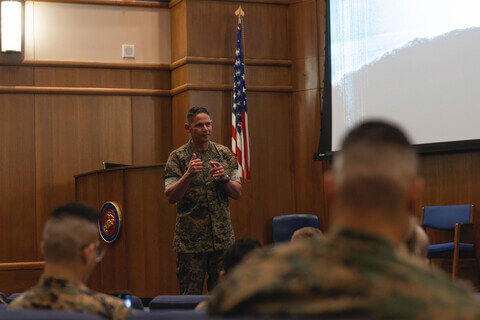
Marine Corps University (MCU), based in Quantico, Virginia, provides education and training programs that prepare Marines for leadership roles. Through in-person and distance learning options, MCU helps both enlisted personnel and officers build the knowledge and skills needed for promotion and long-term service. Some programs also offer graduate-level academic credit.
How Marine Corps University (MCU) Works
The MCU offers a structured progression of military education, based on rank and leadership level. Programs include:
- Enlisted Professional Military Education (EPME)Courses designed for corporals through sergeants major, focusing on warfighting, ethics, and leadership.
- Officer Professional Military Education (OPME)Includes the Expeditionary Warfare School and Command and Staff College, supporting lieutenants through colonels.
- Marine Corps War CollegeOffers a master’s degree in Strategic Studies for senior officers.
- College of Distance Education and Training (CDET)Provides online and blended-learning options for those unable to attend in person.
Admission requirements vary based on rank, time in service, and command needs. Some programs are required for promotion, while others are competitive or elective.
Benefits of Attending Marine Corps University
- Structured education that supports career progression.
- Graduate-level academic credit or degrees (for some programs).
- Emphasis on leadership, strategy, and decision-making.
- Distance learning options for flexibility.
- Professional development tied to promotion and command readiness.
- Improved performance in joint and global operations.
- Opportunities to prepare for civilian leadership roles.
Is Marine Corps University Right for You?
MCU is for active-duty Marines and other service members preparing for leadership roles or fulfilling promotion requirements. It's a good option for those who:
- Are approaching a professional milestone.
- Need PME to stay competitive for promotion.
- Want to strengthen leadership and communication skills.
- Plan to move into command or staff positions.
- Are looking for academic and career growth within the military
How to Enroll in Marine Corps University
- Confirm eligibility based on your current rank and assignment.
- Work with your unit or education officer to review PME requirements.
- Submit enrollment paperwork through your command or the CDET portal.
- Complete any required prerequisites.
- For in-residence or degree-granting programs, follow the specific admissions process outlined.
Program availability depends on your career path, unit needs, and timing.
MCU FAQs
Q: Who is eligible to attend Marine Corps University?A: Eligibility depends on your rank, time in service, and career progression. Enlisted Marines typically attend MCU courses like Corporals Course, Sergeants Course, and Advanced School as part of their required professional military education (PME).
Officers are eligible for programs such as the Expeditionary Warfare School or Command and Staff College based on their grade and career track. Selection for in-residence programs may also require command endorsement and competitive board selection. Some courses are mandatory for promotion, while others are elective or by invitation.
Q: Are degrees offered through MCU? A: Yes. Some programs, including the Marine Corps War College, offer accredited graduate degrees.
Q: Can I take courses online? A: Yes. Many programs are available through the College of Distance Education and Training (CDET).
Q: Is PME required for promotion? A: Yes. Specific PME courses are required for both enlisted and officer promotions.

See Participating Colleges
Browse colleges and universities associated with the Military. Compare campuses, scholarship support, and student life to find your best fit.
Explore More Military Programs
Not sure this program is right for you? Explore other military programs with education benefits, career training, and flexible service paths.
