Army Reserve Officers’ Training Corps (ROTC)
Train as a future Army officer while earning your degree and building leadership skills.
What is Army ROTC?
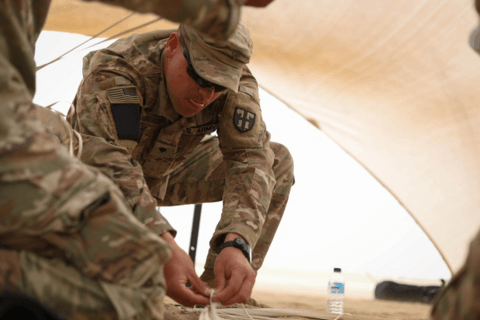
Army Reserve Officers’ Training Corps is a college program run by the U.S. Army Cadet Command that trains and commissions officers for the United States Army.
You take regular college classes toward your major and add Army ROTC courses, leadership labs, and physical training. If you stick with the full program and meet all requirements, you graduate as a commissioned second lieutenant in the Active Army, Army National Guard, or Army Reserve.
Army ROTC exists at many four-year colleges and some community colleges. Some schools host the program, while others are “crosstown” schools that send students to a nearby battalion.
Army ROTC Fits into College Life
Army ROTC is designed to layer onto a full-time college schedule.
Most cadets can expect:
- One Army ROTC class each term
- A weekly leadership lab for hands-on training
- Physical training (PT) several mornings each week
- Field training exercises on some weekends
- Summer training for contracted cadets
The first half of the program is called the Basic Course. It focuses on Army history, rank structure, leadership, and basic military skills. The second half, the Advanced Course, dives into small-unit tactics, planning, and leading soldiers.
You still live an everyday student life on campus. You go to class, join clubs, work part-time, and hang out with friends. ROTC adds structure, early mornings, and a lot of leadership practice.
Is Army ROTC Right for You?
Army ROTC could be a strong fit if you:
- Want to serve as a leader in the Army, but still want a traditional college experience
- Like the idea of leading people, solving problems, and making decisions under pressure
- Are open to serving full-time on Active Duty or part-time in the Army National Guard or Army Reserve after college
- Are okay with early mornings, physical fitness tests, and being held to standards
- Want help paying for college through competitive scholarships
If you like being the one who gets the group project moving, enjoy staying active, and are curious about leadership in real life, Army ROTC will feel like a natural fit for the strengths you already have.
Army ROTC Education Benefits
Army ROTC offers several types of merit-based scholarships. These vary by year and funding, but common patterns include:
- Four-year, three-year, and two-year scholarships
- Full tuition and mandatory fees at participating schools
- A textbook allowance each term
- A monthly stipend during the school year, once you contract as a cadet
Even without a scholarship, Army ROTC can still pay a monthly stipend after you contract in the Advanced Course.
Training, Labs, and Field Experience
ROTC training is where the “officer” part kicks in. Expect:
- Leadership lab every week, where you practice things like land navigation, tactics, drill and ceremony, and communication
- Regular PT focused on Army physical fitness standards
- At least one field training exercise per semester with your battalion
Most contracted cadets attend an advanced summer training course, often described as a capstone evaluation of leadership and military skills. Performance there can impact which component you branch into after graduation.
The training is designed to build:
- Confidence in leading small teams
- Comfort speaking in front of a group
- Ability to plan and execute under stress
- Familiarity with basic Army tactics and procedures
Post GraduationService Commitment
If you complete Army ROTC and meet all requirements, you are commissioned as a second lieutenant in the U.S. Army.
Most new officers serve in one of three components:
- Active Duty Army, full-time service
- Army National Guard, part-time service with a state-based unit
- Army Reserve, part-time federal reserve force
Your career field is called a branch. Examples include Infantry, Armor, Military Intelligence, Signal, Logistics, Cyber, Engineering, and more. Branch selection is based on a mix of your preferences, performance, medical qualifications, and Army needs.
All officers incur a total military service obligation of about eight years, which usually looks like:
- Several years of active or drilling service, plus
- Remaining time in the Individual Ready Reserve or another reserve status
Exact details depend on whether you had a scholarship, your contract, and which component you enter.
How to Get Started with Army ROTC
If you are in high school:
- Apply to colleges that host or partner with an Army ROTC battalion.
- Connect with an Army ROTC enrollment officer to ask about eligibility, timelines, and scholarship options.
- Decide whether to apply for a national Army ROTC scholarship in high school or wait and compete for campus-based scholarships.
- Keep your grades up, stay active, and prepare for Army ROTC fitness standards.
If you are already in college:
- Check whether your campus hosts an Army ROTC battalion or partners with a nearby battalion.
- Visit or contact the Army ROTC enrollment officer on your campus or at a nearby host school.
- Ask about joining Army ROTC as a college student, including options for campus-based scholarships.
- Learn which courses, labs, and training you need to take to get on track with your class year.
- Enroll in the entry-level Army ROTC course to see how it fits your schedule, goals, and campus life.
Use Appily to search for colleges that offer Army ROTC, compare programs, and see which campuses match your major, budget, and goals.
See Participating Colleges
Browse colleges and universities associated with the Military. Compare campuses, scholarship support, and student life to find your best fit.
Explore More Military Programs
Not sure this program is right for you? Explore other military programs with education benefits, career training, and flexible service paths.
