
The 2026-2027 FAFSA Resource Hub
Paying for college can feel overwhelming, but the Free Application for Federal Student Aid (FAFSA) is the key to unlocking grants, scholarships, work-study, and low-interest student loans.
We created our FAFSA Resource Hub to guide you step-by-step through the financial aid process, making college more affordable and achievable. Here you'll get the most up-to-date insight on:
- What's new (and what hasn't changed) for FAFSA 2026–2027
- How to prepare your financial documents before applying
- Step-by-step FAFSA help for both first-timers and returning students
- Strategies to unlock more scholarships and aid opportunities

FAFSA Fact or Fiction
Don’t let myths about the FAFSA prevent you from getting the money you need for college. Learn the facts now.
FAFSA Filing Kit
Filing the FAFSA isn’t as complicated or time-consuming as it seems. Get everything you need to know about filing the FAFSA here.
Appily's Pell Grant Primer
Grab our quick (printable) reference sheet for an overview of the 2026-2027 Pell Grant. This is what you need to get free money for college.
CSS Profile Guide
Learn how to complete the CSS Profile, when it opens each year, how to find the submission deadline, and more.
Top 5 Sources for Financial Aid Advice
Here are some reliable places to turn to for advice and insight on the financial aid application process.
How to Shelter Assets on the FAFSA
Learn how you can shelter assets to increase eligibility for need-based financial aid.
What is the Student Aid Index (SAI)?
Learn how the SAI replaces the EFC and how this change could impact the financial aid you qualify for.
How to Speak Financial Aid
Financial aid has its own unique language. This glossary takesthe mystery of securing financial aid for college.
Legal Residency on the FAFSA
Establishing legal residency in a state can have significant financial implications for how much college will ultimately cost you.
Things to Know About the New FAFSA
Learn about the new FAFSA and how it's faster and easier to complete.
Is FAFSA Money Free?
Learn about the various types of funding that FAFSA can provide, including what's free...and what's not.
Can Pell Grants pay for Certificate Programs?
Here’s what students should know before using Pell Grant money for a short-term program, whether it’s your first step after high school, a path into the workforce, or part of a longer education plan.
How to Speak Financial Aid
Explore our plain-language guide to FAFSA forms, aid offers, college costs, and student loans.
Tu primer paso hacia la ayuda financiera
Una guía práctica para estudiantes y familias
FAFSA Filing Kit
Get a deeper look at everything you need to complete for the 2027–2028 FAFSA
Kit para completar la FAFSA
Todo lo que necesitas para completar la FAFSA 2027–2028
Selected for FAFSA Verification?
Verification is a process schools use to confirm certain information on a FAFSA form. Some applications are selected by the federal processing system, and schools may select others. Being selected does not mean you did anything wrong.
Have Your Family's Finances Changed?
If your income, household, or essential expenses changed after you filed the FAFSA, the financial aid office may be able to reconsider your eligibility or cost of attendance through a case-by-case professional judgment review.
Other helpful resources
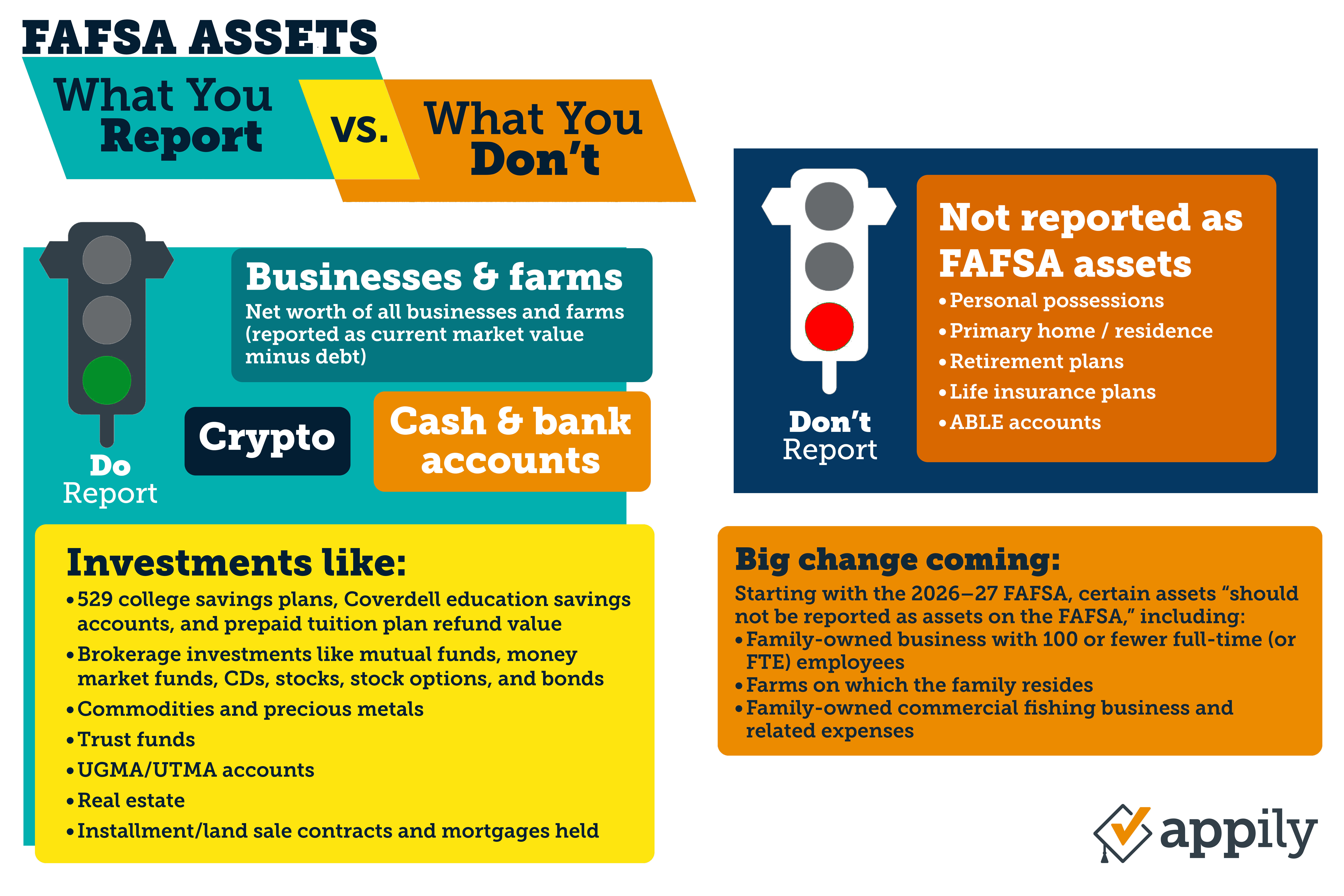
If you're filing for this year's FAFSA, be sure you know exactly which assets should and shouldn't be reported to ensure that you don't run into any legal issues.
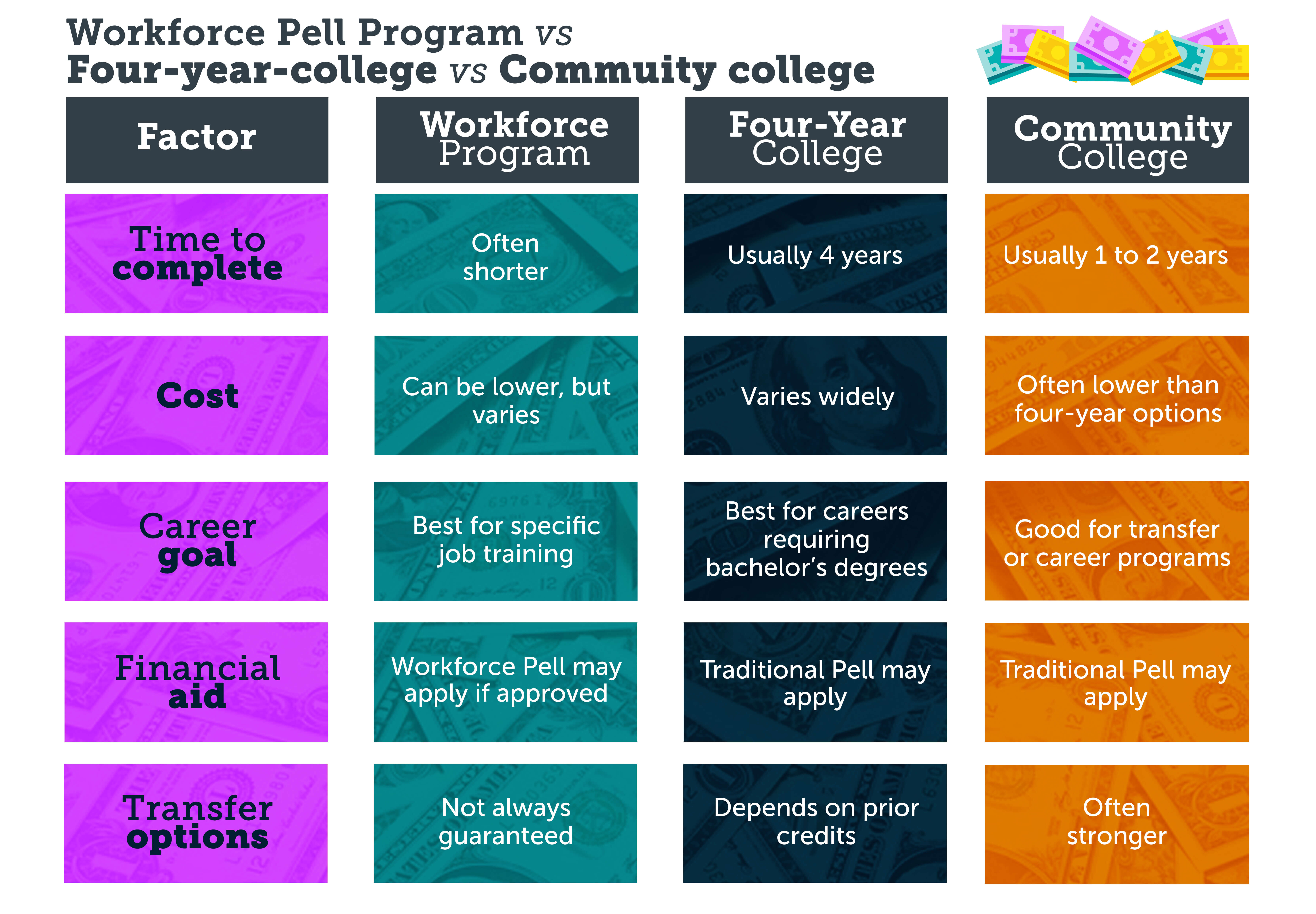
Pell Grants are traditionally awarded to those who qualify after filing their FAFSA, but did you know that there are now specialized workforce Pell Grants? See whether or not these new grants fit your college plans.
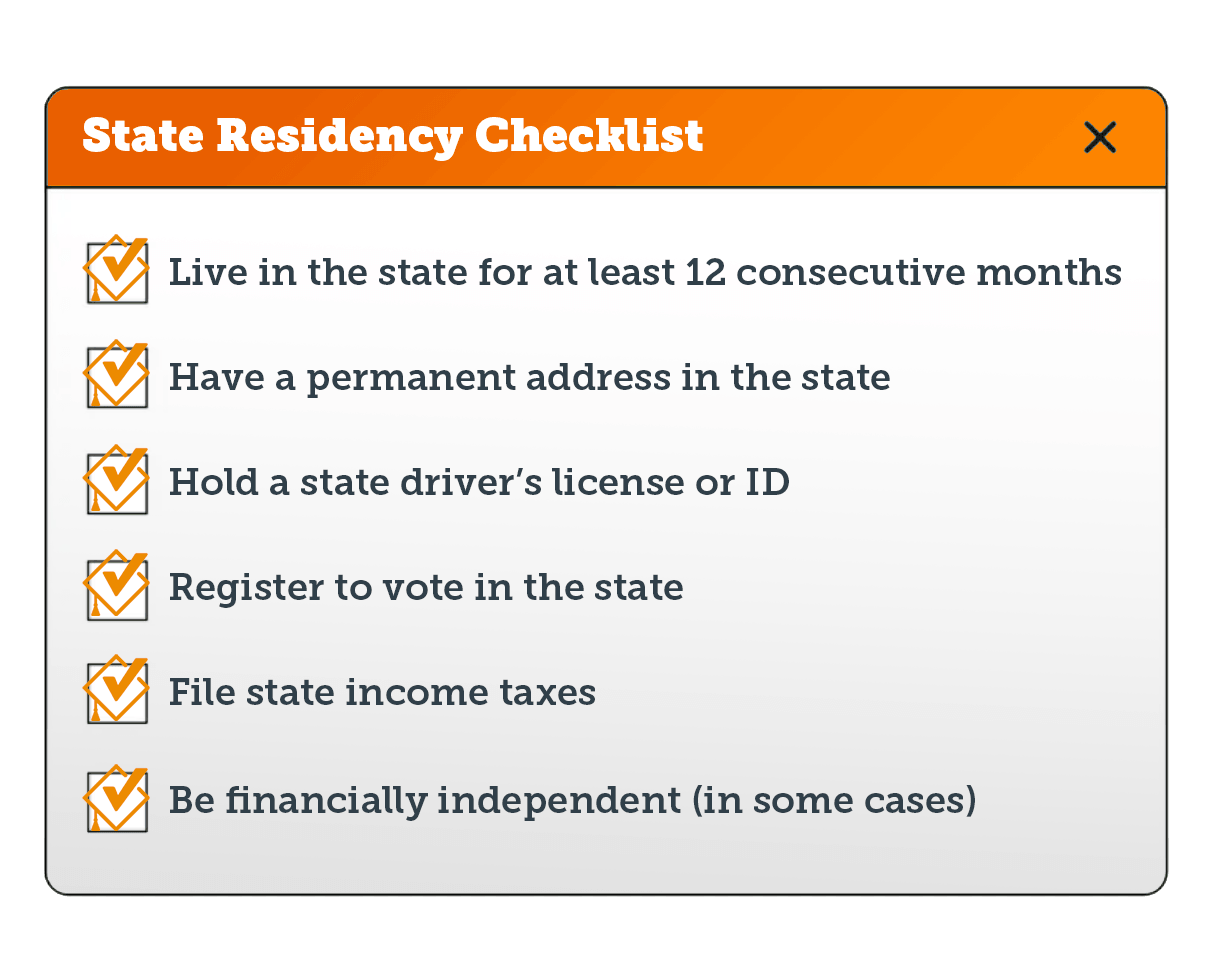
Recently moved between states? Before you file your 2026-27 FAFSA, be sure that you know whether or not you can claim your residency in your new state for this year's application.
In this video, Appily explains how to read your college financial aid offer, also called a financial aid award letter. This is the document that shows what a college is offering you in grants, scholarships, loans, and work-study — and what you may still need to pay.
